Is Grass-Fed Beef Leaner Than Conventional Beef?
posted on
November 27, 2026
Welcome to Bachman Family Farms
When choosing beef for your family, you may have noticed that grass-fed beef is often described as leaner than conventional beef. But is that actually true? And does leaner beef mean it's better for you?
At Bachman Family Farms, we believe families should understand where their food comes from and what makes their beef different. Our cattle are Certified Grass-Fed and pasture-raised from birth on our centennial family farm in northern Oklahoma. Let's look at what research says about grass-fed beef, fat content, nutrition, and flavor.
Is Grass-Fed Beef Leaner Than Conventional Beef?
Yes, grass-fed beef is generally leaner than conventional grain-finished beef. Research has found that beef from grass-finished cattle often contains less total fat, although the difference varies depending on the animal, cut of meat, and finishing practices.
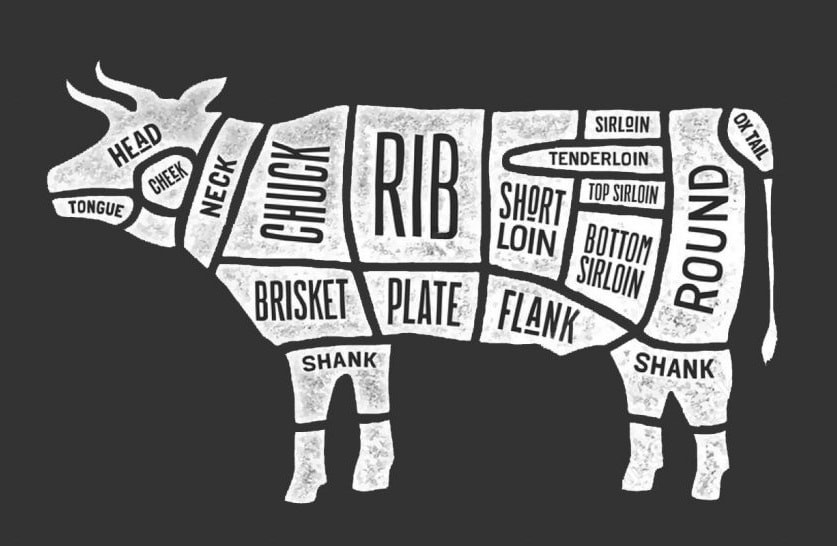
That doesn't mean every grass-fed steak will be leaner than every conventional steak. A ribeye, for example, naturally contains more marbling than a sirloin, regardless of how the animal was raised.
If you're comparing grass-fed and conventional beef, it helps to understand what actually affects the fat content of your meat.
Why Is Grass-Fed Beef Generally Leaner?
The primary difference comes down to what cattle eat and how they are raised.
Cattle are natural grazing animals. Grass-fed cattle consume grasses and other forage throughout their lives, while conventional grain-finished cattle receive grain-based feed during at least part of their production.
Diet influences how cattle grow and how much fat they deposit in their bodies and within their muscles.
Grass-finished cattle generally develop less intramuscular fat, also known as marbling, than grain-finished cattle. This is one reason grass-fed beef often has a leaner appearance.
Research summarized by Penn State Extension and Oklahoma State University supports the general finding that forage-finished beef tends to have less fat than grain-finished beef.
However, breed, age, genetics, pasture quality, and finishing practices all influence the final product.
Grass-Fed Beef vs. Conventional Beef: What's the Difference?
Both grass-fed and conventional beef provide protein and important nutrients. The main differences involve feeding practices, fat composition, and sometimes flavor and texture.
| Comparison | Grass-Fed Beef | Conventional Grain-Finished Beef |
|---|---|---|
| Typical diet | Grass and forage | Often includes grain-based feed during finishing |
| Total fat | Generally lower | Generally higher |
| Marbling | Often less | Often more |
| Omega-3 fatty acids | Often higher | Often lower |
| Flavor | Can have a more pronounced beef flavor | Often milder and richer from additional marbling |
| Texture | Can be firmer and less fatty | Often more marbled and tender |
These are general tendencies, not guarantees for every steak or package of beef.
How Much Leaner Is Grass-Fed Beef?
The amount of fat in grass-fed beef depends on the cut and the animal.
A review of U.S. research published in the journal Meat Science found that grass- and forage-fed beef contained approximately 1.6 to 4.1 grams less fat per 100 grams of meat compared with grain-finished beef in the studies reviewed.
That is a meaningful difference in some comparisons, but it does not mean every grass-fed product has a specific percentage less fat.
For a fair comparison, look at the same cut, similar trimming, and comparable serving sizes.
For example, comparing a lean grass-fed sirloin with a heavily marbled conventional ribeye would not tell you much about the effect of the feeding system.
Does Grass-Fed Beef Have Less Marbling?
Generally, yes.
Marbling refers to the small streaks of fat distributed throughout the muscle. It contributes to the juiciness, tenderness, and flavor of beef.
Grain-finished cattle often develop more marbling because their finishing diets can promote greater fat deposition.
Grass-finished beef typically has less marbling, which is one reason it may appear leaner.
However, less marbling does not automatically mean tougher beef. Proper aging, cutting, cooking temperature, and preparation all play important roles.
Is Grass-Fed Beef Healthier Than Conventional Beef?
Grass-fed beef can have a different nutritional profile, but the answer is more nuanced than simply calling one type healthier.
Both grass-fed and conventional beef provide important nutrients, including:
- Complete protein
- Iron
- Vitamin B12
- Zinc
- Selenium
Grass-fed beef often contains higher levels of certain omega-3 fatty acids and may contain more conjugated linoleic acid (CLA) and vitamin E.
However, the differences vary across products, and the amount of omega-3 in beef is relatively modest compared with foods such as fatty fish.
Grass-fed beef also contains saturated fat. Choosing grass-fed does not automatically make every cut a lean option.
If reducing saturated fat is a priority, consider leaner cuts and compare the nutrition information for the specific products you're buying.
Which Grass-Fed Beef Cuts Are the Leanest?
If you're looking for leaner beef, the cut you choose matters just as much as how the animal was raised.
Top Sirloin
Top sirloin is a popular option for people who want a flavorful steak without as much visible fat as a ribeye.
Eye of Round
Eye of round is a very lean cut that works well for roasts and thinly sliced beef. It benefits from careful cooking because it can become tough when overcooked.
Top Round
Top round is another lean option that can be used for roasts, steaks, and thinly sliced beef dishes.
Flank Steak
Flank steak is relatively lean and works well for fajitas, stir-fries, and sliced steak meals. Cutting against the grain helps improve tenderness.
Ground Beef
Ground beef can vary significantly in fat content depending on the cuts and trimming used. If you're looking for leaner ground beef, ask about the lean-to-fat ratio rather than assuming all grass-fed ground beef has the same amount of fat.
What About Ribeye and Filet Mignon?
Not all beef cuts are equally lean, even when they come from grass-fed cattle.
Ribeye is known for its marbling, which contributes to its rich flavor and tenderness. It generally contains more fat than leaner cuts such as sirloin or round steak.
Filet mignon is naturally tender and generally has less marbling than ribeye.
At Bachman Family Farms, our Quarter Beef Package includes a variety of cuts, potentially including ribeyes, KC strips, filet mignon, sirloin, and other assorted steaks.
This gives families options for different meals and preferences rather than limiting them to one type of beef.
Does Grass-Fed Beef Taste Different?
It can.
Grass-fed beef may have a more pronounced or distinctive beef flavor compared with grain-finished beef. Some people describe it as richer, earthier, or slightly more complex.
Flavor can vary depending on the animal's diet, pasture, breed, age, and aging process.
Because grass-fed beef often contains less marbling, it can also cook differently. Leaner cuts may dry out more quickly if cooked too long.
Using a meat thermometer, avoiding overcooking, and allowing steaks to rest before slicing can help preserve moisture and tenderness.
How to Cook Lean Grass-Fed Beef Without Drying It Out
Since grass-fed beef can be leaner, a few simple cooking adjustments can make a difference.
1. Avoid Overcooking
Lean beef can become dry when cooked too long. Use a meat thermometer rather than relying only on cooking time.
2. Let the Meat Rest
After cooking, allow steaks and roasts to rest before cutting. This helps retain juices during serving.
3. Use Marinades When Appropriate
Marinades can add flavor and help improve the eating experience of certain leaner cuts. Flank steak and round steak are good examples.
4. Choose the Right Cooking Method
Quick, high-heat cooking can work well for steaks, while tougher cuts such as round roasts often benefit from slower cooking methods.
5. Don't Be Afraid of a Little Added Fat
For leaner ground beef or steaks, cooking with a little butter, olive oil, or another preferred cooking fat can help add flavor and moisture.
What Makes Bachman Family Farms' Grass-Fed Beef Different?
At Bachman Family Farms, we believe families should know how their beef is raised and what goes into producing it.
Our cattle are raised on our centennial family farm in northern Oklahoma. Our beef is:
- Certified Grass-Fed
- Pasture-raised from birth
- Animal Welfare Approved
- Raised without added growth hormones or other added hormones
- Dry-aged for approximately 14 to 18 days
- Vacuum-sealed for convenient storage
Our dry-aging process helps develop the flavor and tenderness of our beef.
We also offer convenient delivery from our farm to your front door, so you can stock your freezer without having to arrange transportation for a bulk beef purchase.
Put Certified Grass-Fed Beef in Your Freezer
Our Quarter Beef Package includes approximately 80 pounds of assorted, vacuum-sealed beef, including ground beef, steaks, roasts, and more. Raised on our northern Oklahoma family farm and delivered to your door.
Shop Our Quarter Beef PackageIs Grass-Fed Ground Beef Leaner?
Grass-fed ground beef is often leaner than conventional ground beef, but the exact fat content depends on how it is prepared and packaged.
Ground beef is typically labeled with a lean-to-fat ratio, such as 80/20, 85/15, or 90/10.
The first number represents the percentage of lean meat, while the second represents the percentage of fat.
For example:
- 80/20: 80% lean meat and 20% fat.
- 85/15: 85% lean meat and 15% fat.
- 90/10: 90% lean meat and 10% fat.
These ratios are useful when comparing ground beef, but grass-fed beef should not automatically be assumed to be 90/10 or any other specific ratio.
If you have a preference, ask the farm or supplier what lean-to-fat options are available.
Frequently Asked Questions About Grass-Fed Beef
Is grass-fed beef leaner than conventional beef?
Generally, yes. Grass-fed beef tends to contain less total fat than conventional grain-finished beef. However, fat content varies by cut, animal, and finishing practices.
Does grass-fed beef have less saturated fat?
Grass-fed beef often has less total fat and may have a different fatty acid profile. However, it still contains saturated fat, and the amount varies by cut.
Is grass-fed ground beef always leaner?
No. Ground beef fat content depends on the cuts and trimming used. Check the lean-to-fat ratio when comparing products.
Does grass-fed beef have more omega-3?
Grass-fed beef often contains higher levels of omega-3 fatty acids than grain-finished beef. However, beef is not considered a major source of omega-3 compared with fatty fish.
Does grass-fed beef taste different?
It can. Grass-fed beef may have a more distinctive beef flavor and often has less marbling. Flavor varies depending on the animal, diet, cut, and aging process.
Is grass-fed beef tougher?
It can be less tender in some comparisons because it often has less marbling. However, aging, cooking technique, and the cut of meat make a difference.
Is all grass-fed beef also grass-finished?
Not necessarily. Product labels and production practices matter. Ask the producer whether cattle remain on grass and forage through finishing. Bachman Family Farms raises its cattle on pasture from birth and offers Certified Grass-Fed beef.
Does Bachman Family Farms' beef contain added hormones?
No. Our beef is raised without added growth hormones or other added hormones.
Where is Bachman Family Farms' beef raised?
Our cattle are raised on our centennial family farm in northern Oklahoma.
Final Thoughts: Is Grass-Fed Beef Leaner?
In general, grass-fed beef is leaner than conventional grain-finished beef. It often contains less total fat, less marbling, and a different fatty acid profile.
But leaner doesn't automatically mean every cut is better for every meal. Your choice should depend on the cut, your cooking preferences, and what matters most to your family.
At Bachman Family Farms, we're proud to offer Certified Grass-Fed beef raised on our northern Oklahoma family farm. From ground beef for everyday meals to premium steaks for special occasions, our beef gives families a variety of options to keep in their freezer.
If you're ready to experience the difference, explore our Quarter Beef Package and have approximately 80 pounds of assorted, vacuum-sealed beef delivered directly to your door.
Choose Beef Raised With Care
Discover Certified Grass-Fed beef from Bachman Family Farms. Our approximately 80-pound Quarter Beef Package includes a variety of cuts, vacuum-sealed and delivered from our northern Oklahoma family farm to your front door.
Find Bachman Family Farms in Oklahoma
Our beef is raised on our centennial family farm in northern Oklahoma. Contact us before visiting to confirm pickup options and availability.