Does Grass Fed Beef Taste Different?
posted on
September 18, 2026
Welcome to Bachman Family Farms
At Bachman Family Farms, we believe great beef starts long before it reaches your plate. From the way our cattle are raised to the time we allow our beef to age, every part of the process contributes to the final product.
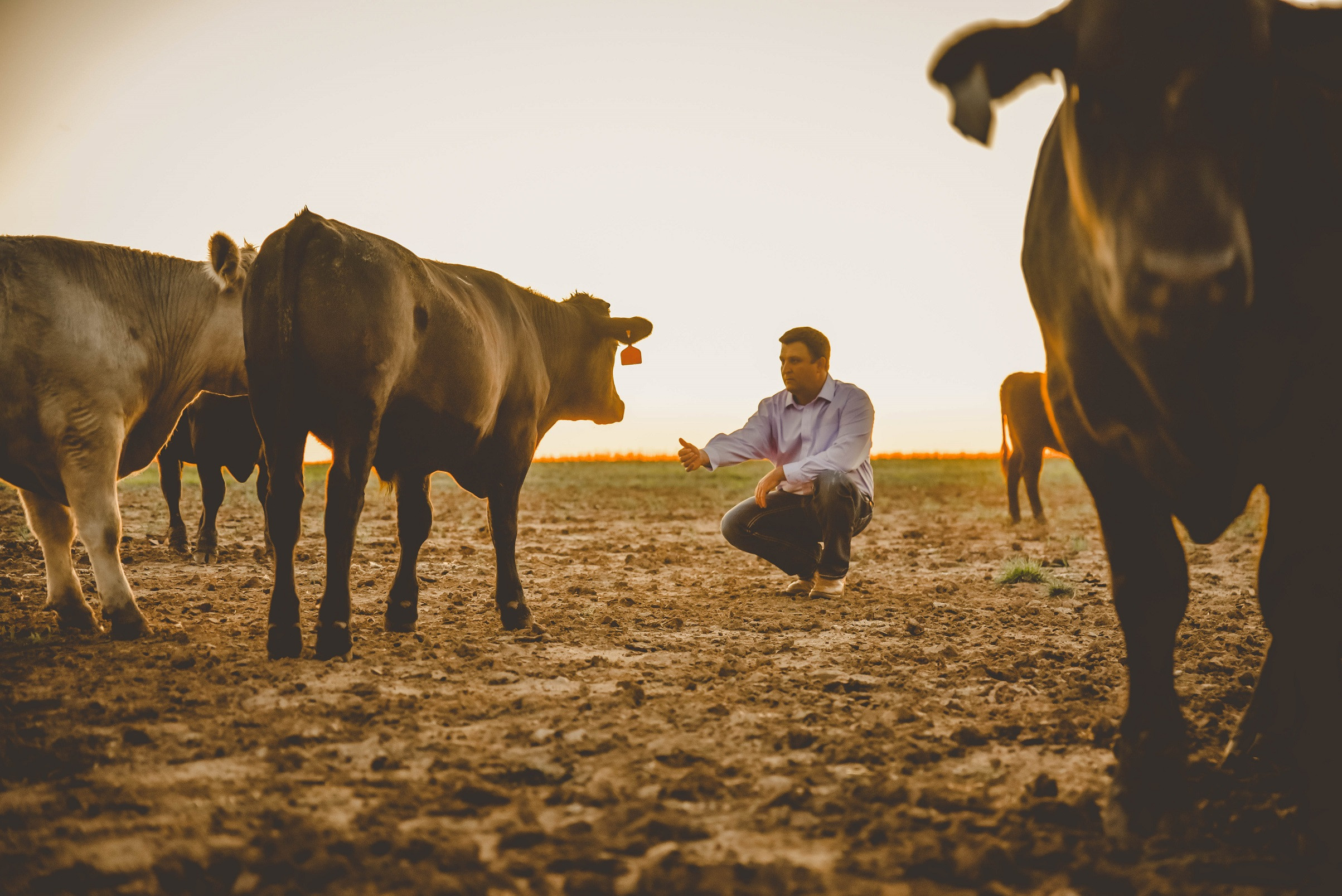
Our Oklahoma family farm raises Certified Grassfed and Animal Welfare Approved beef. Our cattle are raised on pasture, and our beef is dry-aged to develop flavor and tenderness. If you have ever wondered whether grass-fed beef actually tastes different from conventional beef, we're breaking down what influences its flavor and what to expect when you cook it at home.
Does Grass Fed Beef Taste Different? What to Expect From Grass-Fed vs. Grain-Fed Beef
If you've been thinking about switching to grass-fed beef, you probably have one big question: Does it actually taste different?
The short answer is yes, it can.
Grass-fed beef often has a different flavor profile than grain-fed beef. Some people describe it as richer, more earthy, or more distinctly beefy. Others notice differences in the fat, texture, or the way it cooks.
But here's something important to understand: not all grass-fed beef tastes the same.
The cattle's diet, breed, age, fat content, pasture conditions, processing, aging, and cooking method can all influence the finished product.
Let's look at what makes grass-fed beef taste different, why some people prefer it, and how to get the best flavor from every cut.
What Does Grass-Fed Beef Taste Like?
Grass-fed beef is often described as having a more pronounced beef flavor than conventional grain-finished beef.
Depending on the animal and how the beef is produced, you may notice earthy, grassy, mineral-like, or slightly gamey notes.
Grain-fed beef, on the other hand, is often described as having a milder flavor, particularly when it contains substantial marbling.
These descriptions are not universal. Some grass-fed beef has a mild flavor, while some grain-fed beef has a strong, distinctive taste.
Personal preference also matters. Someone who enjoys a bold beef flavor may prefer one product, while another person may enjoy the buttery richness associated with a heavily marbled steak.
Why Does Grass-Fed Beef Taste Different?
The biggest difference begins with what the cattle eat.
Cattle are ruminants, which means their digestive systems are designed to process fibrous plant material.
Grass-fed cattle consume forage such as grasses and other pasture plants. Grain-finished cattle typically receive a ration containing grains during the finishing stage.
These different feeding systems can influence the composition of the fat and the development of flavor compounds in the meat.
The result can be noticeable differences in aroma, flavor, and mouthfeel when the beef is cooked.
Grass-Fed vs. Grain-Fed Beef: Flavor Differences Explained
When comparing grass-fed and grain-fed beef, it helps to look at several characteristics rather than focusing on flavor alone.
Flavor
Grass-fed beef may have a more pronounced beefy or earthy flavor. Grain-fed beef is often associated with a milder profile, although individual products vary.
Fat and Marbling
Grass-fed beef is often leaner, but that does not mean every grass-fed steak lacks marbling. Breed, genetics, finishing condition, and the specific cut all affect fat content.
Highly marbled beef can deliver a rich mouthfeel because fat contributes to juiciness and flavor.
Texture
Texture depends on the cut, connective tissue, animal characteristics, aging, and cooking method.
Grass-fed beef can be tender, but lean cuts may become dry or firm if they are overcooked.
Aroma
The aroma released during cooking can also differ because feeding systems influence the compounds present in the meat and fat.
Neither feeding system guarantees a particular eating experience. The quality of the animal, processing, aging, and preparation still matter.
Does Grass-Fed Beef Taste Gamey?
This is one of the most common questions people ask before trying grass-fed beef.
Some grass-fed beef has flavor notes that people describe as gamey. Others describe those same flavors as earthy, savory, or pleasantly beefy.
However, grass-fed beef is not automatically gamey.
The specific forage the cattle consume, fat composition, animal characteristics, and handling of the meat can all influence flavor.
If you've tried grass-fed beef once and didn't enjoy it, that experience does not necessarily represent every grass-fed beef product available.
Does Grass-Fed Beef Have Less Fat?
Grass-fed beef is often leaner than grain-finished beef, particularly when comparing similar cuts from animals raised under different finishing systems.
However, the amount of fat depends on the individual animal and the cut you purchase.
A grass-fed ribeye can still have visible marbling, while a grain-fed round steak can be quite lean.
Ground beef also comes in different lean-to-fat ratios, allowing customers to choose an option that fits their cooking preferences.
At Bachman Family Farms, our online store offers ground beef options with different fat percentages, including 70/30, 80/20, and 90/10.
This gives families flexibility when choosing beef for burgers, tacos, meatballs, and other everyday meals.
Why Fat Changes the Way Beef Tastes
Fat contributes to the flavor, juiciness, aroma, and mouthfeel of cooked beef.
When beef is heated, fat melts and helps distribute flavor throughout the meat.
The composition of that fat can vary depending on the animal's diet, which is one reason grass-fed and grain-fed beef may taste different even when the cuts look similar.
A lean steak and a heavily marbled steak will also deliver different eating experiences, regardless of whether the cattle were grass-fed or grain-fed.
Does Grass-Fed Beef Have Yellow Fat?
You may notice that some grass-fed beef has fat with a slightly yellow or cream-colored appearance.
This can occur because fresh forage contains carotenoid pigments, including beta-carotene, which may accumulate in the animal's fat.
The color varies depending on the animal, diet, and other factors.
Yellow fat does not automatically mean the beef is better or worse. It can simply reflect differences in the animal's diet.
Does Grass-Fed Beef Taste Better Than Grocery Store Beef?
That depends on what you enjoy and which products you are comparing.
Grocery stores sell many different types of beef, including conventional grain-fed beef and grass-fed products.
A steak's eating quality depends on more than where it was purchased. Animal genetics, fat content, processing, aging, storage, and cooking all influence the result.
For families who enjoy a distinct beef flavor and want to know more about how their cattle were raised, purchasing directly from a grass-fed beef farm can offer an appealing alternative.
Bring Oklahoma-Raised Meat to Your Table
Bachman Family Farms offers Certified Grassfed beef and pasture-raised chicken, pork, and lamb from our Oklahoma family farm. Shop individual cuts for your next meal or stock your freezer with high-quality meat your family can trust.
Shop Our Farm StoreWhat Makes Bachman Family Farms Grass-Fed Beef Different?
At Bachman Family Farms, we believe flavor begins with the way our cattle are raised and continues through the way our beef is prepared for customers.
Our cattle are raised on our family farm in northern Oklahoma and receive a 100% grass and forage diet.
Our beef is also Certified Grassfed and Animal Welfare Approved by A Greener World.
These certifications provide independent standards related to feeding practices, animal care, and farm management.
But there's another important part of our beef that deserves attention: dry aging.
Why We Dry-Age Our Beef
Dry aging is a process that allows beef to mature under carefully controlled refrigerated conditions.
During aging, naturally occurring enzymes help break down certain muscle proteins, which can improve tenderness.
Dry aging can also develop more concentrated and complex flavors as moisture is lost and other changes occur in the meat.
At Bachman Family Farms, our beef is dry-aged for approximately 14 to 18 days, depending on the product.
That additional step is part of how we prepare our beef before it reaches your kitchen.
Does Dry Aging Make Grass-Fed Beef Taste Better?
Dry aging can influence both flavor and tenderness, but the final result depends on the beef, aging conditions, and length of the process.
Some people enjoy the deeper, more developed flavor that dry-aged beef can provide.
Others may prefer the milder taste of beef that has not undergone the same aging process.
For our farm, dry aging is one of the steps we use to develop the eating quality of our Certified Grassfed beef.
Does Grass-Fed Beef Cook Differently?
Yes, it can, especially when you're working with a leaner cut.
Because some grass-fed beef contains less fat, it may be less forgiving when cooked past your preferred doneness.
That doesn't mean grass-fed beef is difficult to cook. It simply means paying attention to temperature and choosing the right cooking method for the cut.
A ribeye, a lean sirloin, and a chuck roast should not all be prepared the same way.
How to Cook Grass-Fed Beef Without Drying It Out
If you're cooking grass-fed beef for the first time, a few simple adjustments can help preserve flavor and tenderness.
Use a Meat Thermometer
A thermometer helps you avoid guessing when the meat is ready.
For food safety, the USDA recommends cooking whole cuts of beef to a minimum internal temperature of 145°F followed by a three-minute rest. Ground beef should reach 160°F.
Avoid Unnecessarily Long Cooking Times for Tender Steaks
Tender cuts such as ribeye, filet mignon, and strip steak are generally suited to grilling, pan-searing, or other relatively quick cooking methods.
Keep an eye on the internal temperature instead of relying entirely on the clock.
Let Your Steak Rest
Allowing cooked steak to rest before slicing helps reduce immediate moisture loss when the meat is cut.
Follow the required food-safety rest period and allow additional resting time as appropriate for the size of the cut.
Slice Against the Grain
For cuts with noticeable muscle fibers, slicing across those fibers can make each bite easier to chew.
This is particularly helpful with cuts such as flank steak and skirt steak.
Match the Cooking Method to the Cut
Cuts with substantial connective tissue, such as chuck roast and beef shank, generally benefit from slow, moist cooking.
Tender steaks are better suited to shorter cooking methods.
Understanding the cut is just as important as understanding whether the beef is grass-fed.
Best Grass-Fed Beef Cuts for Grilling
If you enjoy grilling, several cuts of grass-fed beef can work well.
Ribeye
Ribeye is known for its marbling and rich flavor. It is a popular choice for grilling or pan-searing.
New York Strip
Strip steak offers a balance of beef flavor, tenderness, and a satisfying bite.
Filet Mignon
Filet mignon is valued for tenderness and has a relatively mild flavor.
Sirloin
Sirloin can be a versatile choice for grilling, slicing into steak bowls, or serving with vegetables.
The best choice depends on your preferred texture, fat content, and cooking style.
Does Grass-Fed Ground Beef Taste Different?
Ground beef is one of the easiest ways to compare the flavor of different beef products.
Because ground beef is used in familiar recipes, differences in flavor and fat content may be noticeable when making burgers or other simple dishes.
However, the lean-to-fat ratio matters significantly.
An 80/20 grass-fed burger and a 90/10 grain-fed burger are not an equal comparison because they contain different amounts of fat.
For a more meaningful taste test, compare ground beef with similar fat percentages and prepare both using the same cooking method.
Is Grass-Fed Beef Good for Burgers?
Absolutely. Grass-fed ground beef can be used to make burgers just like conventional ground beef.
The key is choosing a fat percentage that matches your preferences.
An 80/20 blend is a popular option for juicy burgers because it contains more fat than a 90/10 blend.
Leaner ground beef can also work well, but careful cooking is important to avoid a dry finished burger.
Keep seasoning simple if you want to experience the natural flavor of the beef. Salt and pepper are a good starting point.
How to Taste the Difference Between Grass-Fed and Grain-Fed Beef
If you're curious about the flavor difference, try a simple side-by-side comparison at home.
Choose the same cut from each feeding system, ideally with similar thickness and fat content.
Season both pieces of beef the same way and use the same cooking method.
Then compare the flavor, aroma, tenderness, and mouthfeel.
You may notice differences immediately, or you may find that the two products are more similar than expected.
Either way, tasting them under similar conditions is a better comparison than judging two completely different cuts prepared in different ways.
Why Your Cooking Method Can Change the Flavor
The flavor of beef is influenced by what happens in the pan, oven, or grill.
When the surface of beef is heated, browning reactions create new flavor and aroma compounds.
A well-seared steak will taste different from the same cut cooked gently without much browning.
Seasonings, marinades, smoke, cooking fats, and sauces can also change the final flavor.
If you want to experience the beef's natural taste, begin with a simple preparation before experimenting with stronger seasonings.
Does Grass-Fed Beef Need Special Seasoning?
No. Grass-fed beef does not require special seasoning.
Salt, pepper, garlic, and familiar steak seasonings all work well.
For your first experience, consider keeping the seasoning simple so you can taste the beef itself.
Once you know what you enjoy, you can experiment with marinades, herb butter, dry rubs, or your favorite barbecue seasonings.
Why the Same Grass-Fed Beef Can Taste Different From One Cut to Another
Even beef from the same animal can deliver different flavors and textures depending on the cut.
Ribeye generally contains more intramuscular fat than filet mignon. Chuck roast contains connective tissue that responds well to slow cooking. Brisket requires a different preparation than a tender steak.
These differences are related to the muscles involved, their structure, and their fat content.
If you enjoy one cut of grass-fed beef but not another, it may be the cut or cooking method rather than the feeding system.
What If You Have Never Tried Grass-Fed Beef Before?
Start with something familiar.
Ground beef is an easy introduction because you can use it in meals your family already enjoys.
Try it in tacos, spaghetti, burgers, meatballs, or homemade chili.
If you prefer steak, choose a cut you already know how to cook, such as ribeye or sirloin.
That gives you a familiar point of comparison without changing your entire cooking routine.
Where Can You Buy Grass-Fed Beef in Oklahoma?
If you're looking for grass-fed beef in Oklahoma, buying directly from a farm gives you an opportunity to learn more about how the cattle were raised.
Bachman Family Farms offers Certified Grassfed beef raised on our family farm in northern Oklahoma.
Our online store includes individual cuts, ground beef, beef bundles, and bulk beef options, subject to current availability.
You can explore our products and order directly from our farm through our online store.
So, Does Grass-Fed Beef Really Taste Different?
Yes, grass-fed beef can taste different from grain-fed beef.
The cattle's diet can influence the composition of the fat and the flavor compounds that develop during cooking. Some people notice a more pronounced beefy or earthy flavor, while others find the differences subtle.
But diet is only one piece of the puzzle.
The cut, fat content, animal, aging process, storage, and cooking method all contribute to the final eating experience.
At Bachman Family Farms, our approach combines Certified Grassfed cattle raised on our Oklahoma family farm with dry aging to develop flavor and tenderness.
If you're curious about the difference, the simplest way to find out is to try it for yourself.
Taste Oklahoma-Raised Grass-Fed Beef for Yourself
Discover the flavor of Certified Grassfed beef from Bachman Family Farms. Browse our steaks, ground beef, roasts, and beef bundles, or contact our farm if you have questions about our products and how our cattle are raised.
Find Bachman Family Farms in Oklahoma
Visit Bachman Family Farms or contact us before making the trip to confirm current farm pickup hours and availability.